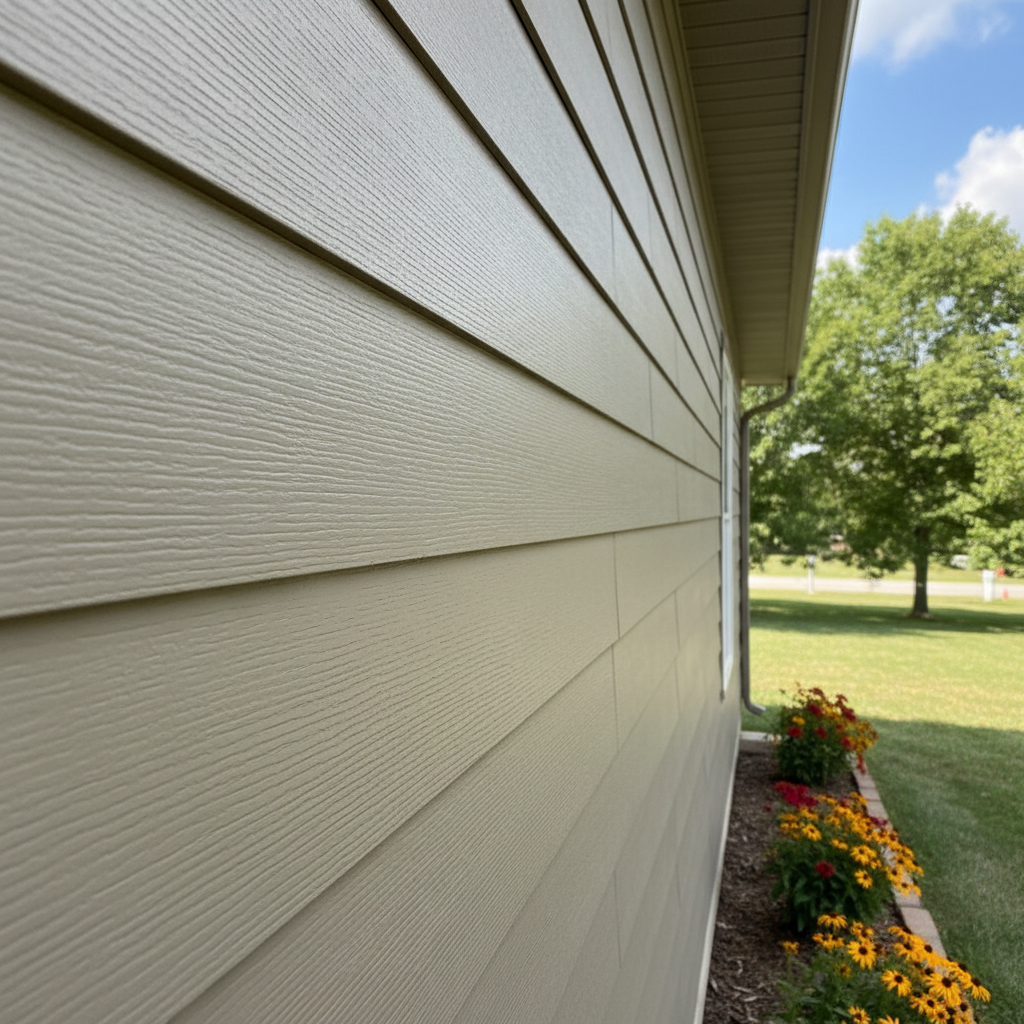
Is cement siding really worth the extra cost upfront?
That's the first thing most folks ask me, and it's a fair question. Yeah, cement siding, which we often call fiber cement, usually costs more to install than vinyl or even some wood options. You're looking at higher material costs, for one, and it takes more specialized labor to put it up right. It's heavy, requires special tools to cut, and you can't just slap it on. But here's the deal: that upfront cost pays you back over time, big time. We're talking about a product that lasts 30, 40, even 50 years with proper care. It's incredibly durable against impacts, doesn't rot, isn't bothered by insects, and it's fire resistant. When you factor in its longevity and low maintenance compared to, say, painting wood every 5-7 years, or replacing warped vinyl after a decade, the long-term value is usually better. It's an investment in your home's future and its curb appeal, you know?
How does cement siding hold up to Pittsburg's crazy weather?
Oh man, our weather here in Southeast Kansas can be a real beast, can't it? We get everything: scorching summers, icy winters, hailstorms that'll dent a truck, and those wild temperature swings that make materials expand and contract like crazy. This is where cement siding really shines. It's engineered to handle extreme conditions. Unlike vinyl that can get brittle in the cold and crack, or warp in intense heat, fiber cement is much more stable. It stands up to hail surprisingly well, far better than aluminum or thinner vinyl. It's also non-combustible, which is a big plus if you're ever worried about wildfires or even just a stray ember from a grill. I've seen it perform beautifully on homes around the Lakeside Park area that get hit with direct sun and wind year after year. It's built for what we throw at it.
Does cement siding need a lot of maintenance?
Compared to wood siding, no, it needs very little. That's one of its biggest selling points. You don't have to worry about rot, termites, or woodpeckers making holes in it. You won't be scraping and repainting every few years like you would with traditional wood. However, calling it "maintenance-free" isn't quite accurate, and anyone who tells you that is stretching the truth. You'll still want to clean it periodically, maybe every year or two, to remove dirt, mildew, and grime. A soft brush and a garden hose usually do the trick; sometimes a mild detergent for stubborn spots. You also need to inspect the caulking around windows and doors every few years and touch up any paint chips or fading, especially on darker colors that absorb more UV. It's more about upkeep than constant repair, which is a huge difference.
Can I paint cement siding any color I want? How often?
Absolutely, you can paint it! That's another great advantage. Most fiber cement comes primed, ready for paint, or pre-finished with a factory-applied color. If you go with primed, you'll need to paint it within a certain timeframe after installation. If you choose pre-finished, the paint job is usually baked on and comes with a fantastic warranty, often 15 years or more against chipping, peeling, or fading. When it does eventually need repainting, you treat it like any other exterior surface. Prep it well, use a good quality exterior acrylic latex paint, and you can change your home's look entirely. How often? Well, that depends on the quality of the paint, the color (darker colors fade faster), and how much sun your house gets. But generally, a good paint job on fiber cement will last 10-15 years, sometimes even longer, before you need to think about it again. That's a lot less frequent than wood.
What are the biggest downsides or problems with cement siding?
Alright, let's be honest, nothing's perfect, right? Cement siding has a few drawbacks you should be aware of. First, as we talked about, it's more expensive to buy and install upfront. Second, it's heavy and brittle before it's installed. That means it can crack or chip if it's mishandled during transport or installation. That's why proper installation is absolutely critical; you can't cut corners. Third, while it's durable, if it *does* get damaged, say by a really severe impact, repairs can be a bit more involved than just popping out a piece of vinyl. You might need to cut out and replace a whole section. Lastly, if the installation isn't done right, especially with proper flashing and sealing around openings, water can get behind it, and that can lead to big problems down the line, just like with any siding. That's why you want a crew that knows what they're doing, like us at Top Notch Siding Inc.
Is cement siding good for energy efficiency?
That's a common misconception. Fiber cement siding itself doesn't offer much in the way of insulation value. It's a dense, durable material, but it's not designed to stop heat transfer like insulation does. Its R-value is pretty low, similar to other siding materials. Where it *can* contribute to energy efficiency is when it's installed correctly with a good house wrap and, more importantly, with proper insulation behind it. If you're upgrading your siding, it's a perfect opportunity to add or improve your wall insulation. We often recommend adding rigid foam insulation board under the fiber cement panels, which creates a continuous thermal break and significantly boosts your home's R-value. So, while the siding itself isn't an insulator, it's a great partner for effective insulation, helping to keep your heating and cooling bills in check.
How long does cement siding installation usually take?
The timeline for installing cement siding really varies depending on the size and complexity of your home, and of course, the crew doing the work. For an average-sized single-story home, say around 1,500 to 2,000 square feet, you might be looking at anywhere from two to four weeks. Larger or more complex homes, with multiple stories, intricate architectural details, or a lot of windows and doors, could take four to six weeks, or even longer. This includes time for prep work like removing old siding, making any necessary repairs to the sheathing, installing house wrap, and then the actual siding installation, trimming, and painting (if it's not pre-finished). It's a detailed process that can't be rushed. We always give our Pittsburg customers a clear timeline upfront, and we stick to it as best we can, accounting for weather delays and other surprises that sometimes pop up.
What's the best way to find a reliable contractor for cement siding?
Finding a good contractor is probably the most important part of this whole process. You don't want just anyone slapping this stuff on your house. Here's what I tell people: Start by asking around. Talk to neighbors, friends, or family who've had siding work done recently. Personal recommendations are gold. Then, look for contractors who specialize in fiber cement siding, not just general handymen. Ask them for proof of insurance and licensing – you want to make sure they're covered if something goes wrong. Get at least three detailed bids, and make sure they break down materials and labor. Don't just go for the cheapest option; look at the value, the warranty, and their reputation. Check online reviews, but also ask for references you can call. A good contractor won't hesitate to provide them. And finally, trust your gut. If something feels off, it probably is. You're investing a lot, so take your time to find the right team.