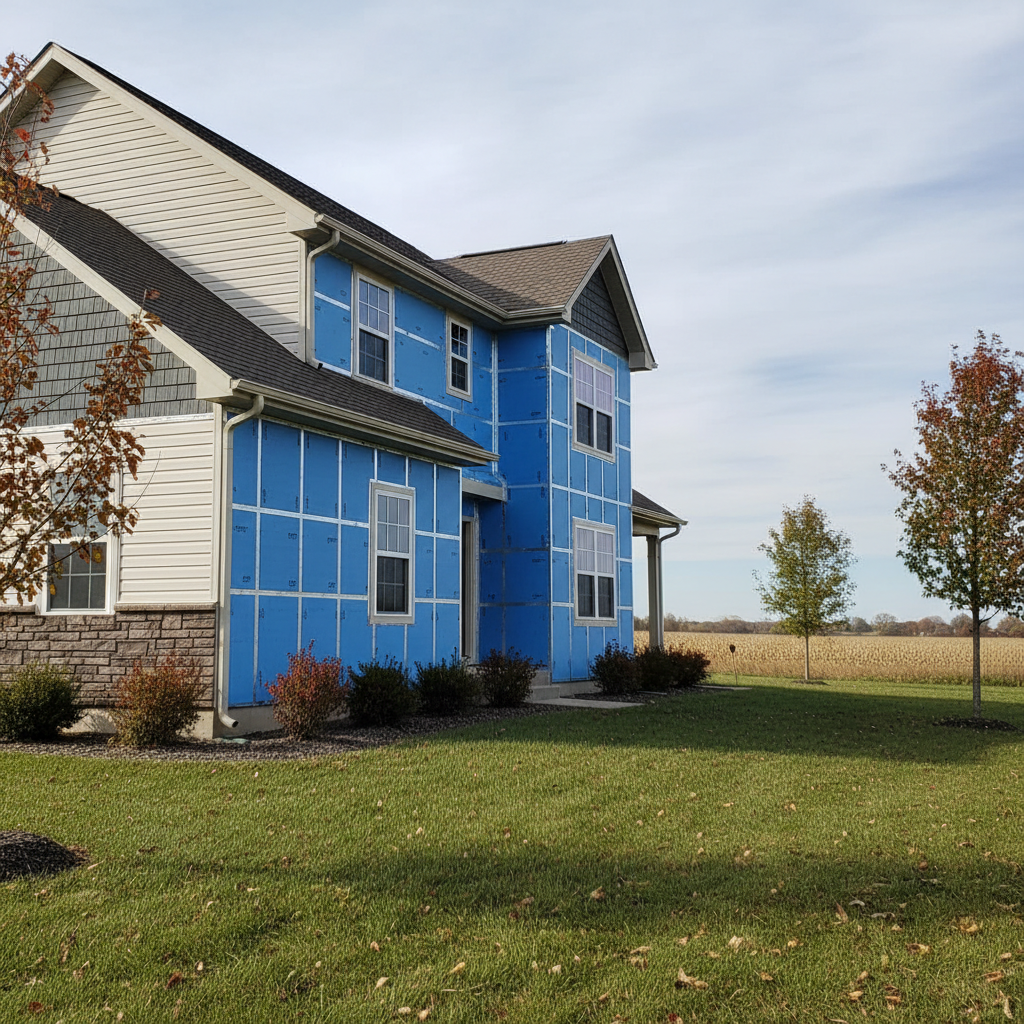
You're probably thinking about insulation because your energy bills are too high, or maybe your house just feels drafty all the time. Good for you for looking into it! But before you jump in, let's talk about some common mistakes I see homeowners around Pittsburg make when they're planning or hiring for an insulation project. Avoiding these can save you a ton of headaches and cash down the line.
Mistake #1: Not Knowing What You Actually Need
This is a big one. A lot of people just assume they need more insulation, or they hear about a new type and think it's a magic bullet. But every house is different, especially with the mix of older homes in areas like College Heights and newer builds out south. You might have perfectly good insulation in your attic but zero in your walls, or vice versa. Or maybe your existing insulation is just old, compacted, and not doing its job anymore.
What you really need is a proper energy audit, or at least a thorough inspection by someone who actually knows what they're looking at. They should be checking your attic, walls, crawl space, and even rim joists. Don't just let someone come in and blow more stuff into your attic without understanding the whole picture, okay? You could be throwing money away if the real problem is air leaks, not just R-value.
Mistake #2: Focusing Only on R-Value
R-value is important, sure. It measures how well insulation resists heat flow. Higher R-value generally means better insulation. But it's not the only thing that matters, not by a long shot. I've seen homes with decent R-values that are still drafty and inefficient because of air leaks. It's like putting a really thick blanket on yourself but leaving all the windows open.
Air sealing is just as crucial, if not more so, than the R-value of your insulation. We're talking about sealing up gaps around pipes, electrical wires, recessed lights, attic hatches, and where walls meet the ceiling. If a contractor only talks about R-value and doesn't bring up air sealing, that's a red flag. You need both working together for real comfort and energy savings.
Mistake #3: DIYing Without the Right Knowledge or Gear
Look, I'm all for homeowners tackling projects themselves. It can be rewarding. But insulation, especially certain types like spray foam, isn't always a good DIY job. Blown-in fiberglass or cellulose can be done, but you need to know how to properly air seal first, how much to put in, and how to handle the equipment safely. You also need to make sure you're not covering up attic vents or creating moisture problems.
And don't even get me started on spray foam if you haven't been trained. That stuff is tricky. It needs specific temperatures, proper mixing, and serious safety gear. Mess it up, and you've got a huge, expensive problem on your hands. Plus, if you don't seal properly, you can actually trap moisture, leading to mold or rot. It’s better to leave some things to the pros, especially when it comes to the bones of your home.
Mistake #4: Hiring the Cheapest Bid
I get it, everyone wants a good deal. But when it comes to insulation, the cheapest bid often means corners are being cut. Maybe they're using lower-quality materials, not doing proper air sealing, or rushing the job. Insulation is one of those things you don't see once it's installed, so it's easy for a less scrupulous contractor to skimp.
Ask for references. Check their reviews. Make sure they're licensed and insured. A good contractor, like us at Top Notch Siding Inc., will take the time to explain what they're doing, why they're doing it, and what materials they're using. They'll also provide a detailed estimate that breaks down the costs for materials and labor, including air sealing. If someone gives you a super lowball number and can't explain why, walk away.
Mistake #5: Ignoring Ventilation
This ties into a few of the other points. Proper ventilation, especially in your attic, is critical. Insulation slows heat transfer, but ventilation helps remove heat and moisture. If you add a ton of insulation without ensuring proper attic ventilation, you can create a host of problems. In the summer, you'll still have a super hot attic cooking your shingles. In the winter, moisture from your home can get trapped, condense, and lead to mold or rot in your roof decking.
A good insulation plan always considers ventilation. Make sure your contractor checks your soffit and ridge vents, or gable vents, and ensures they aren't blocked by new insulation. This is especially important in our humid Kansas summers and cold winters; you need that attic to breathe.
Taking the time to understand these common pitfalls can save you a lot of grief and ensure your insulation project actually delivers the comfort and savings you're looking for. Do your homework, ask tough questions, and don't settle for less than a comprehensive solution for your home.