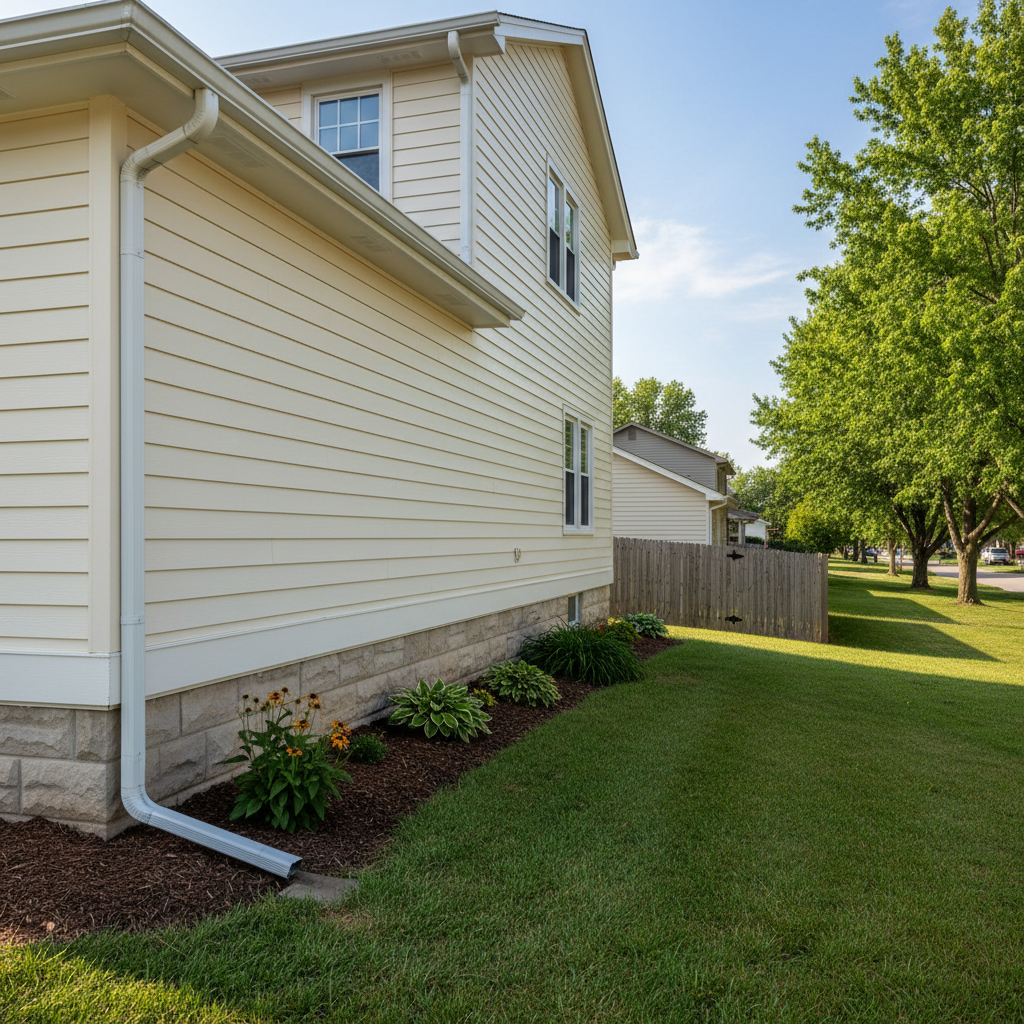
Your home's siding really takes a beating, especially here in Southeast Kansas. We get everything thrown at us, from scorching summer sun to icy winter winds, not to mention those spring thunderstorms that can whip up a real mess. Keeping your siding clean isn't just about making your house look nice, though; it's about protecting your biggest investment. Think of it like changing the oil in your car – regular maintenance prevents bigger, more expensive problems down the road.
Why Even Bother Cleaning Your Siding?
It's pretty simple: dirt, grime, mold, and mildew don't just look bad; they can actually degrade your siding over time. Mold and mildew, for instance, just love our humid summers and can eat away at paint or even the siding material itself if you let them go. Dust and pollen? They accumulate, trapping moisture right against the surface. All this stuff shortens your siding's lifespan, whether it's vinyl, fiber cement, or wood. Regular cleaning helps prevent these issues, keeping your home looking sharp and your siding doing its job.
What Does Regular Maintenance Actually Look Like?
For most homes around Pittsburg, a good cleaning once a year is usually plenty. Now, if your house is shaded by lots of trees, or if you happen to live near a dirt road, you might need to do it twice. Here's what I recommend:
- Soft Wash is Key: Please, don't blast your siding with a high-pressure washer. You can easily force water behind the panels, damage the material, or even strip the paint. A garden hose with a spray nozzle and a soft-bristle brush is often all you need, believe it or not.
- Gentle Cleaners: For most dirt and grime, a mix of warm water and a mild detergent (like dish soap) works wonderfully. If you've got tougher mold or mildew spots, you can find siding-specific cleaners at any hardware store. Just remember to always test a small, inconspicuous area first to make sure it doesn't discolor your siding.
- Work from Bottom Up, Rinse from Top Down: When applying your cleaning solution, start at the bottom of a section and work your way up. This helps stop those annoying streaks. Then, when it's time to rinse, start at the top and work down to wash away all the soap and loosened grime.
- Watch for Growth: Pay extra attention to spots that get less sunlight, like the north side of your house or under eaves. That's where mold and mildew just love to hang out. Here in Pittsburg, with our sometimes clay-heavy soils, splashes from rain can also leave a grimy film along the bottom few feet of your siding.
Beyond cleaning, take a walk around your house a couple of times a year. Look for anything that's rubbing against the siding, like tree branches or overgrown bushes. Trim them back, alright? Also, check your gutters and downspouts; make sure they're clear and directing water away from your foundation and siding. Overflowing gutters are a major cause of siding damage, in case you didn't know.
Warning Signs You Really Shouldn't Ignore
Your siding usually gives you clues when something's not right. Don't just brush these off:
- Peeling or Fading Paint/Discoloration: This could signal moisture issues or just sun damage, but either way, it means your siding isn't protected like it should be.
- Cracks, Gaps, or Loose Panels: These are basically open invitations for water, pests, and air leaks. Even small cracks can let water get behind your siding, leading to rot or mold.
- Warping or Bubbling: This is a big red flag, especially for vinyl siding. It often means excessive heat exposure or moisture trapped underneath.
- Fungus, Mold, or Mildew that Won't Clean Off: If you've tried cleaning and it's still there, or it comes back quickly, you might have a deeper moisture problem.
- Increased Energy Bills: Sometimes, failing siding can contribute to poor insulation, making your HVAC system work harder than it needs to.
When to Call a Professional
Look, I'm a big believer in DIY when it makes sense, but some jobs are definitely best left to the pros. If you see any of those warning signs, or if you're not comfortable getting up on a ladder, it's time to call someone. A professional can properly assess the damage, figure out the root cause, and recommend the right solution, whether that's a repair or a full replacement. We've seen it all at Top Notch Siding Inc, and we can tell you what's a quick fix and what needs more attention. Catching problems early can save you a ton of money and hassle down the road. Seriously, don't wait until a small issue turns into a major headache for your home.