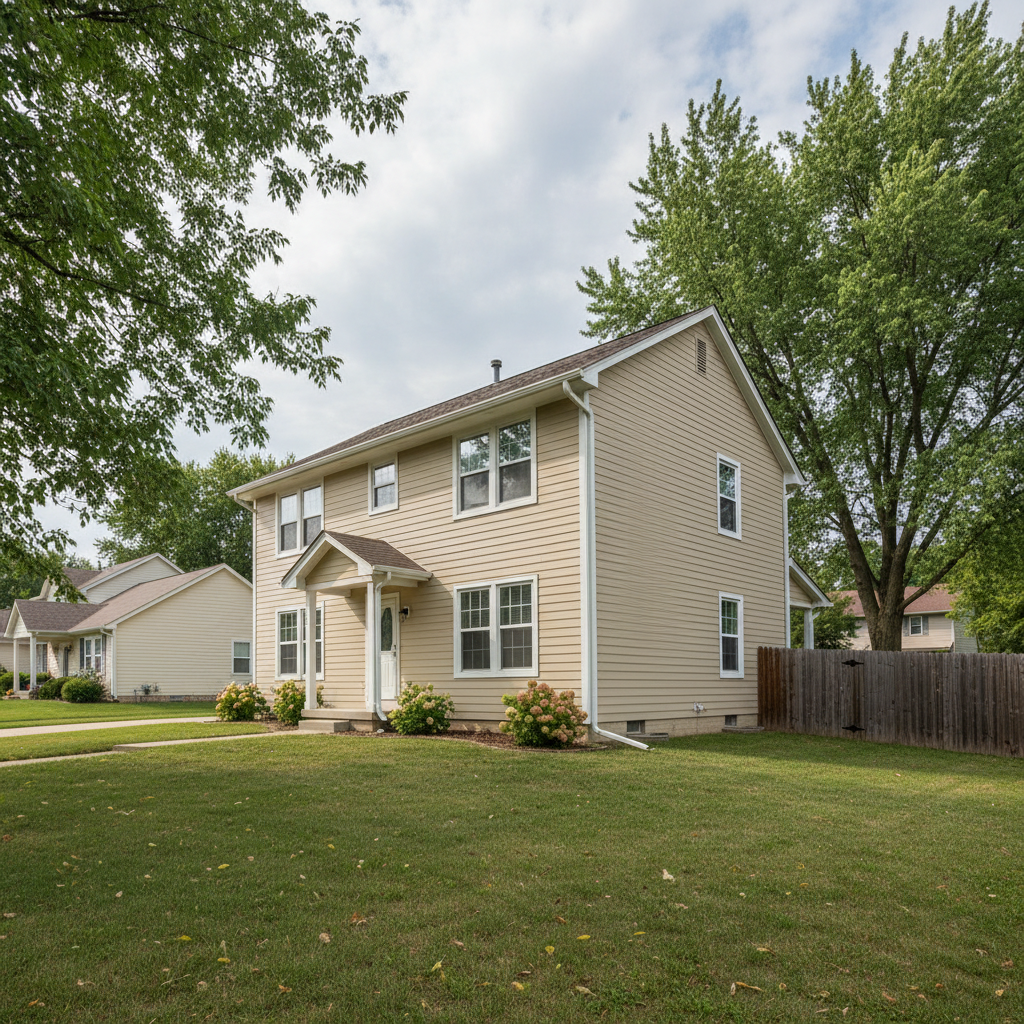
Is your siding looking a little dingy? Maybe you've got some green streaks, or just a general dullness that's bugging you every time you pull into the driveway. Siding cleaning isn't just about making your house look good, though that's a big part of it. It's also about protecting your investment and keeping things healthy around your home. Here in Pittsburg, we see all sorts of stuff clinging to siding, and knowing how to tackle it safely is key.
Why Siding Gets Dirty Around Here
You might think dirt is just dirt, but around Southeast Kansas, we've got some specific challenges. Humidity is a big one. It's often high, especially in the spring and summer, and that's a perfect breeding ground for mold, mildew, and algae. You see those green and black streaks? That's usually what you're dealing with. It's not just ugly; it can actually start to break down your siding material over time if left unchecked. We also get a fair amount of dust and pollen, especially if you live near one of the older, unpaved roads or out towards the county line where there's more agriculture. And let's not forget the red clay soil we have in some areas of Pittsburg, particularly in the older neighborhoods south of Broadway. When it rains hard, that stuff can splash up and stain the lower parts of your siding.
Pressure Washing: Friend or Foe?
Alright, let's talk about pressure washing. It's the first thing most folks think of when they want to clean siding, and for good reason – it's fast, and it can be effective. But it's also where a lot of people go wrong. Using too much pressure can absolutely destroy your siding. I've seen it tear holes in vinyl, strip paint right off wood, and even force water behind the siding, which can lead to rot, mold inside your walls, and all sorts of expensive headaches. You definitely don't want to be blasting away at full power like you're trying to strip concrete.
The trick with pressure washing is using the right technique, what we call 'soft washing.' It's low pressure, usually with a wider spray nozzle, combined with a good cleaning solution. The solution does most of the work, breaking down the grime, and then the low-pressure rinse washes it all away. It's much safer for your home and still gets it looking spotless.
What About Cleaning Solutions?
You can find a ton of different siding cleaners at the hardware store, and many of them work pretty well for general dirt and grime. For mold and mildew, a diluted bleach solution is often recommended, but you've got to be careful with that. It can damage plants, and you don't want it sitting on your siding too long. There are also oxygen-based cleaners that are a bit gentler on the environment and your landscaping. Whatever you use, always test it on an inconspicuous spot first, like behind a bush or in a corner, to make sure it doesn't discolor your siding. And always, always follow the manufacturer's instructions. That's not just a suggestion; it's how you keep from messing things up.
DIY vs. Calling in the Pros
Can you clean your siding yourself? Absolutely. If you've got a small, single-story home and you're comfortable on a ladder, it's a manageable job. Just remember what I said about pressure washing – go easy. Get yourself a good soft-bristle brush, a garden hose, and some appropriate cleaner. Work in sections, start from the bottom and work your way up with the cleaner, then rinse from the top down.
But for bigger jobs, two-story homes, or if you're just not comfortable doing it, calling a pro is usually the smarter move. We've got the right equipment, the experience to know what solutions to use for different types of siding and stains, and we know how to do it safely without damaging your property. Plus, we're insured, so if something goes wrong, you're covered. We see a lot of folks try to save a few bucks and end up causing more damage than the cleaning would have cost in the first place. It's just not worth the risk sometimes, is it?
What We Do at Top Notch Siding Inc.
When Top Notch Siding Inc. takes on a cleaning job, we don't just show up and start blasting. We take a look at your siding material – whether it's vinyl, fiber cement, wood, or something else – and assess what kind of grime we're dealing with. Then we pick the right cleaning method and solution. We're careful around your landscaping, covering up plants if needed, and making sure water doesn't get where it shouldn't. We've been doing this in Pittsburg for years, so we know the local conditions and what works best for homes right here in our community.
Regular cleaning, maybe every year or two, can really extend the life of your siding and keep your home looking sharp. Don't let that green stuff take over – a little maintenance goes a long way in protecting your biggest investment.