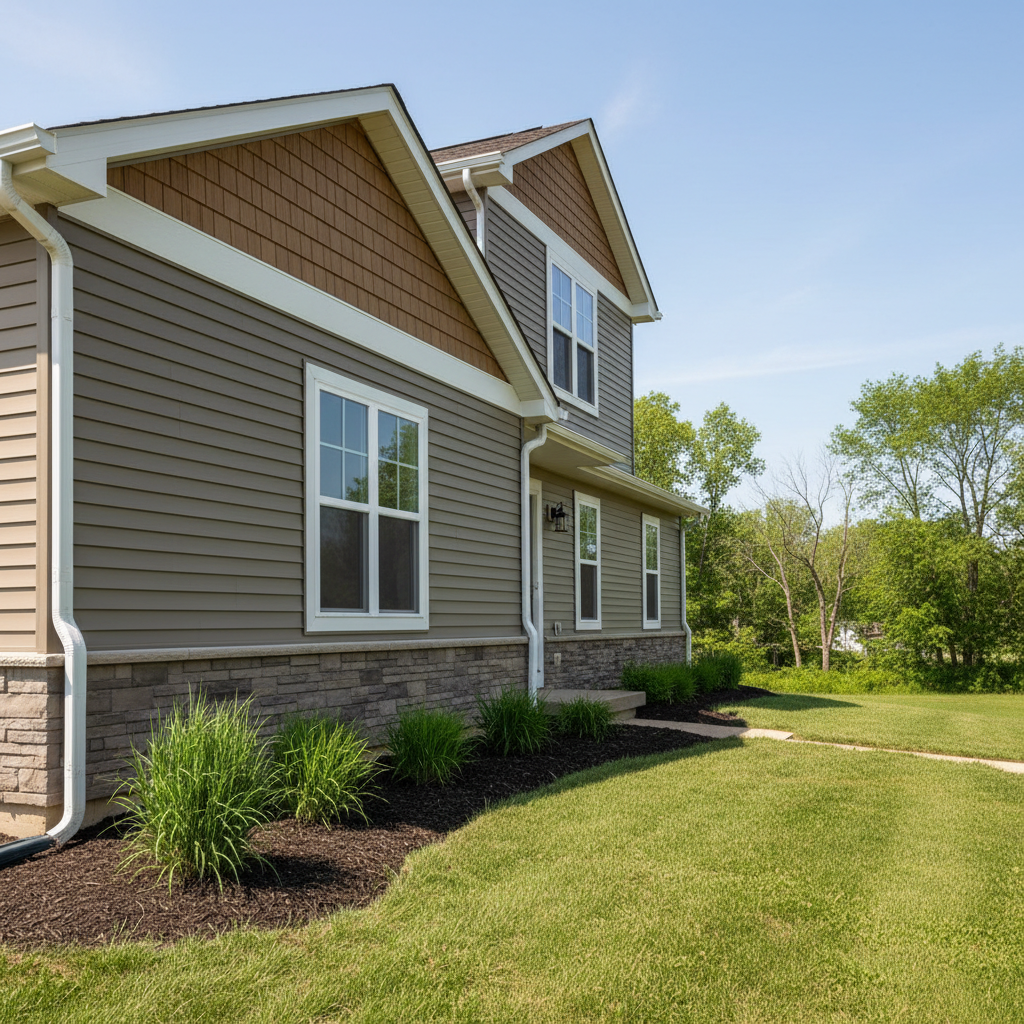
Thinking about getting your siding checked out? That's a smart move. It's truly one of the best ways to catch little problems before they blow up into huge, expensive headaches. But, I know what you're probably wondering: what's this going to set me back? Let's dig into it.
What Makes Siding Inspection Prices Go Up or Down?
It's never a one-size-fits-all kind of deal, and a few things really push the price in one direction or another. Here's what we typically look at:
- Your House's Size: This one's pretty straightforward, isn't it? A big ranch home sprawling out by Lakeside Park will definitely take more time to inspect than a cozy bungalow right downtown. More siding means more ground to cover, more windows and doors to check around, and, well, more potential issues to uncover.
- The Type of Siding You Have: Different materials need different ways of inspecting them. Vinyl siding usually goes quicker, as we're mostly looking for common problems like warping or loose panels. Wood siding, however, demands a much closer inspection for rot, insect damage, or peeling paint, which can eat up more time. Fiber cement or brick? They've got their own specific concerns too.
- How Easy It Is to Get Around: If your house has multiple stories, really steep gables, or spots that are just plain hard to reach, we might need ladders, scaffolding, or extra safety gear. That adds both time and complexity, which naturally affects the cost. We've certainly seen some homes with genuinely tricky access points that just take longer to safely navigate.
- Why You Need the Inspection: Are you just doing a routine check-up, or is this for a real estate deal? A pre-purchase inspection often requires much more detail, with extensive paperwork and reporting, making it more involved than a general homeowner assessment.
- The Siding's Age and Current Condition: Older siding, especially if it hasn't been kept up well, usually means we need to do a much more thorough inspection. There's a higher chance we'll find hidden damage, which means more time spent probing and writing things down.
Typical Siding Inspection Cost Ranges in Pittsburg
Alright, let's talk actual numbers. For a standard siding inspection on an average-sized home right here in Pittsburg, you're generally looking at a certain range. Just remember, these are estimates, and any good contractor will always give you a firm quote.
- Basic Visual Inspection (smaller homes, easy access): For a quick look-over, maybe on a 1,200-1,800 sq ft home with siding that's easy to get to, you might pay anywhere from $150 to $250. This usually includes a walk-around, checking for obvious damage, and a verbal report back to you.
- Comprehensive Inspection (average homes, detailed report): For most homes, say 1,800-2,500 sq ft, with a more detailed assessment, photo documentation, and a written report, you're probably looking at $250 to $400. This is what most people really need, especially if they suspect a problem or are planning to sell.
- Large or Complex Homes (multi-story, difficult access, extensive damage): If you own a larger property, have complex architecture, or know there are issues that need a deep investigation, the cost could go from $400 to $600+. This covers things like moisture meter readings, probing for rot, and a very thorough, multi-page report.
Sometimes, if we're already out for a repair estimate, we might just include a basic inspection in that. But for a standalone, dedicated inspection, these figures are a pretty good guide.
What Should Your Quote Include?
When you get a quote for a siding inspection, you need to be clear about what you're actually paying for. Here's what a solid quote from a company like Top Notch Siding Inc should cover:
- An on-site visit and a really thorough visual inspection: This means someone actually gets up close and personal with your siding, not just drives by.
- An assessment of all siding surfaces: Every single wall, every corner.
- Checking for common issues: Things like cracks, holes, rot, warping, loose panels, missing caulk, insect damage, and proper flashing around windows and doors.
- Signs of moisture getting in: Looking for any indicators that water is making its way behind your siding.
- A detailed written report: This is super important. It should lay out all the findings, include photos of problem areas, and often suggest next steps or possible repairs.
- A verbal debrief: A chance for the inspector to walk you through what they found and answer any questions you have.
How to Avoid Paying Too Much for a Siding Inspection
Nobody wants to get ripped off, and you shouldn't have to. Here are a few pointers:
- Get Several Quotes: This is just standard practice for any home service, right? Call a couple of local, reputable contractors. Don't just jump on the first number you hear.
- Ask for a Detailed Scope: Make sure you fully understand exactly what the inspection covers. If a quote seems incredibly low, it might just be for a very quick, superficial check.
- Check References and Reviews: See what other Pittsburg homeowners are saying. A good reputation usually means fair pricing and quality work, wouldn't you agree?
- Be Clear About What You Need: Tell the contractor why you want the inspection. Is it for a sale? Are you worried about a specific spot? The more information you give them, the more accurate their quote will be.
- Don't Fall for High-Pressure Sales: A good contractor will give you time to think and compare. If someone's pushing you to sign on the spot, that's a big red flag.
A good siding inspection is an investment in your home's health, not just another expense. It can honestly save you thousands down the road by catching issues early. So, do your homework, ask the right questions, and you'll get a fair price for a thorough job.