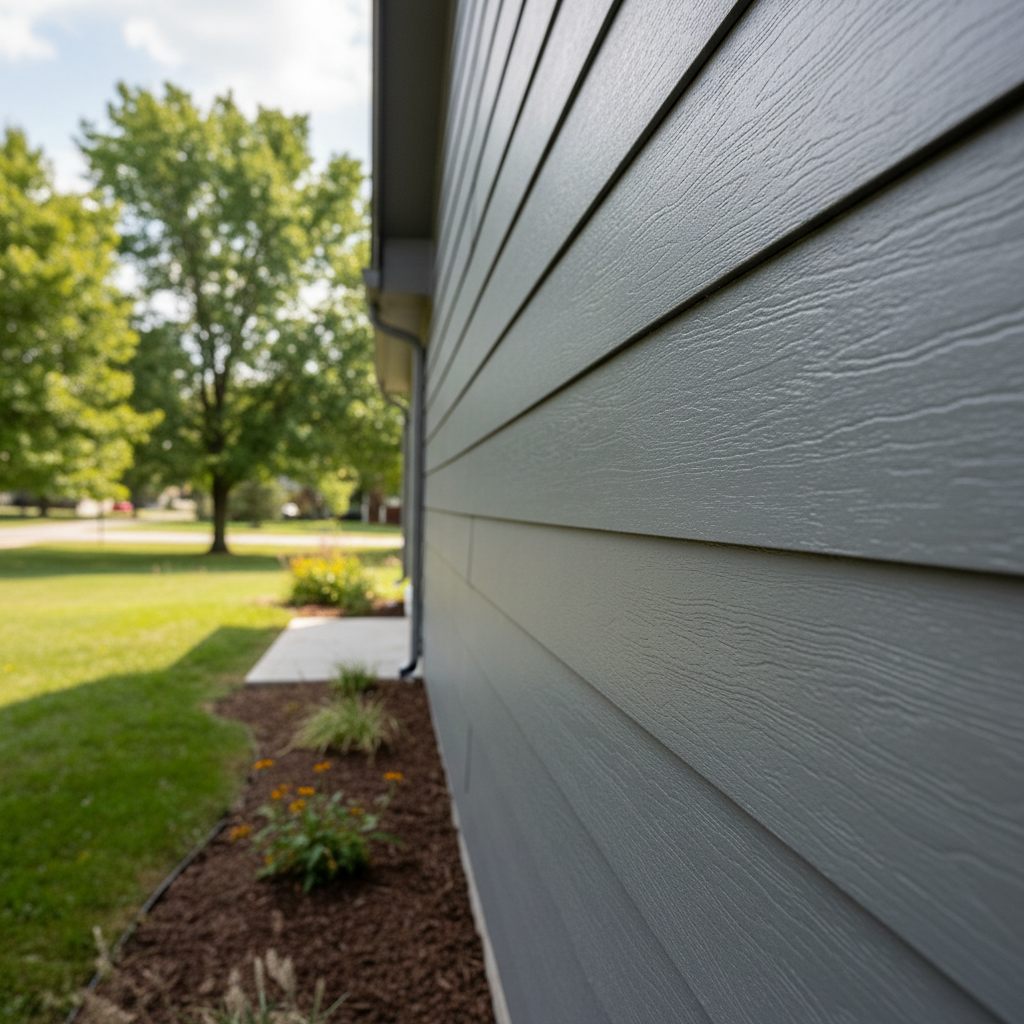
Do I really need to remove my old siding? Can't I just put new siding over it?
This question? Oh, it's probably the one I hear most often. And look, sometimes, *sometimes*, you actually *can* put new siding right over the old stuff. But honestly, here in Pittsburg, especially with some of the older homes around Broadway or over by the college, that's usually not the smartest move. Want to know why? Here are a few reasons:
- Hidden Damage: Your old siding might be hiding rot, mold, or even insect damage to the sheathing or wall studs underneath. If you just cover it up, these problems will just get worse, and you won't even know until it becomes a much bigger, more expensive headache.
- Weight: Adding another layer of siding really piles on the pounds to your house. Your home's structure was built to handle a certain load, and adding more can really stress it out.
- Uneven Surface: Old siding, particularly if it's warped or loose, creates a bumpy surface. Your new siding won't lie flat, making it look wavy and, frankly, unprofessional. Plus, it makes it tougher to properly flash around windows and doors, which means water can sneak in.
- Warranty Issues: Some siding manufacturers won't honor their warranty if their product gets installed over existing siding. They know it's just not the best way to do things.
My advice? Unless your existing siding is in absolutely perfect shape and totally flat, and you're just doing a cosmetic facelift, it's almost always better to strip it right down to the sheathing. This gives us a clean slate to work with, and we can inspect and fix any hidden problems. And who doesn't want that?
How long does siding removal actually take?
The time it takes to pull off old siding really varies. But for a typical 1,500 to 2,000 square foot home here in Pittsburg, you're usually looking at anywhere from one to three days. A few things really influence this:
- Type of Old Siding: Vinyl comes off pretty quickly. Wood siding can be a bit more stubborn, especially if it's nailed on tight. And old asbestos siding (which, by the way, we handle with extreme care) takes more time because of the special safety rules.
- Size and Complexity of the House: A simple ranch house is much faster than a two-story home with lots of gables, dormers, or tricky architectural details.
- Condition of the Siding: If the siding is already falling off, it's a quicker job. If it's old, brittle, and breaks into tiny pieces, that can really slow us down.
- Crew Size: A bigger, experienced crew from a company like Top Notch Siding Inc can get the work done much more efficiently than a smaller team.
- Weather: High winds or heavy rain, which we certainly get around here, can definitely impact how quickly and safely we can work.
We always give you a clear timeline upfront. We stick to it as best we can, but sometimes Mother Nature has other plans, so we factor in potential weather delays.
What about lead paint or asbestos? How do you handle that?
This is a serious concern, especially with older homes right here in Pittsburg, Kansas. Many houses built before 1978 could have lead-based paint under their siding. And homes built before the 1980s? They might have asbestos-containing siding materials. We take this very, very seriously.
- Lead Paint: If we think there might be lead paint, we'll test for it. If it's there, we follow EPA lead-safe work practices. This means we contain the work area, keep dust to a minimum, use special vacuums, and dispose of everything properly. You don't mess around with lead dust; it's a major health hazard.
- Asbestos Siding: If we find asbestos siding, we don't just rip it off. We're certified and trained for safe asbestos removal. This involves wetting the material to stop fibers from getting airborne, carefully removing panels whole whenever possible, and sealing them in proper disposal bags. Then, we take them to an approved hazardous waste facility. This process adds time and cost, sure, but it's absolutely non-negotiable for the safety of our crew, your family, and the environment.
We'll always talk to you clearly if we find these materials and explain the necessary steps and any costs involved before we move forward.
Will removing the siding damage my landscaping or property?
Our goal is to leave your property looking as good as, or even better than, when we first arrived. But let's be real, siding removal is a construction project, and there's always a chance of some impact. We take extensive steps to keep damage to a minimum:
- Protection: We use tarps, plywood, and other coverings to shield your landscaping, bushes, flowerbeds, and even your driveway or patio from falling debris.
- Debris Management: We use a dumpster or a dedicated trailer for all the old siding and materials. Our crew cleans up the work area regularly throughout the day, not just when we're finished.
- Nail Sweeps: After the siding is off and the job is done, we do a thorough sweep with magnetic rollers to pick up any stray nails or screws that might have fallen. This is super important if you have kids or pets running around.
While we really do our best, sometimes a small plant might get scuffed, or a bit of dust might settle. We'll definitely talk through any specific concerns you have about delicate landscaping features before we even start the job.
What happens to all the old siding materials?
All that old siding has to go somewhere, right? We're big on responsible disposal. For most materials like vinyl or wood, we haul it away to local landfills or recycling centers, depending on what they accept. We sort materials as much as we can to make sure they're disposed of correctly and to cut down on landfill waste where options exist.
As I mentioned earlier, if we run into hazardous materials like asbestos, those go to specialized, approved hazardous waste facilities. This isn't something you need to worry about arranging; it's all part of our service. We handle all the logistics, from loading up the debris to transporting it and paying the disposal fees.
What's the cost of siding removal, and how is it calculated?
The cost of siding removal isn't just one set number. It usually runs from about $1 to $3 per square foot of wall space, but that can go up or down based on several factors:
- Siding Type: Vinyl is generally cheaper to remove than wood or fiber cement. Asbestos siding removal, though, is much more expensive because of the special handling and disposal rules.
- Labor: This is a big one. It's tough, physical work. The more complex the job (like a multi-story home with lots of intricate cuts), the more labor hours it'll take.
- Disposal Fees: Landfill fees vary, and hazardous waste disposal costs considerably more.
- Accessibility: If we need special equipment like scaffolding or lifts because parts of your house are hard to get to, that adds to the cost.
- Underlying Damage: If we uncover significant rot or structural damage that needs fixing right away before new siding can go on, that's an extra cost. We'll always get your approval before doing any unexpected repair work, of course.
We'll give you a detailed, transparent quote after we've done an on-site assessment. It'll break down the costs so you know exactly what you're paying for. No surprises, that's just how we do business at Top Notch Siding Inc.