Thinking Your Old Siding is Fine (It Probably Isn't)
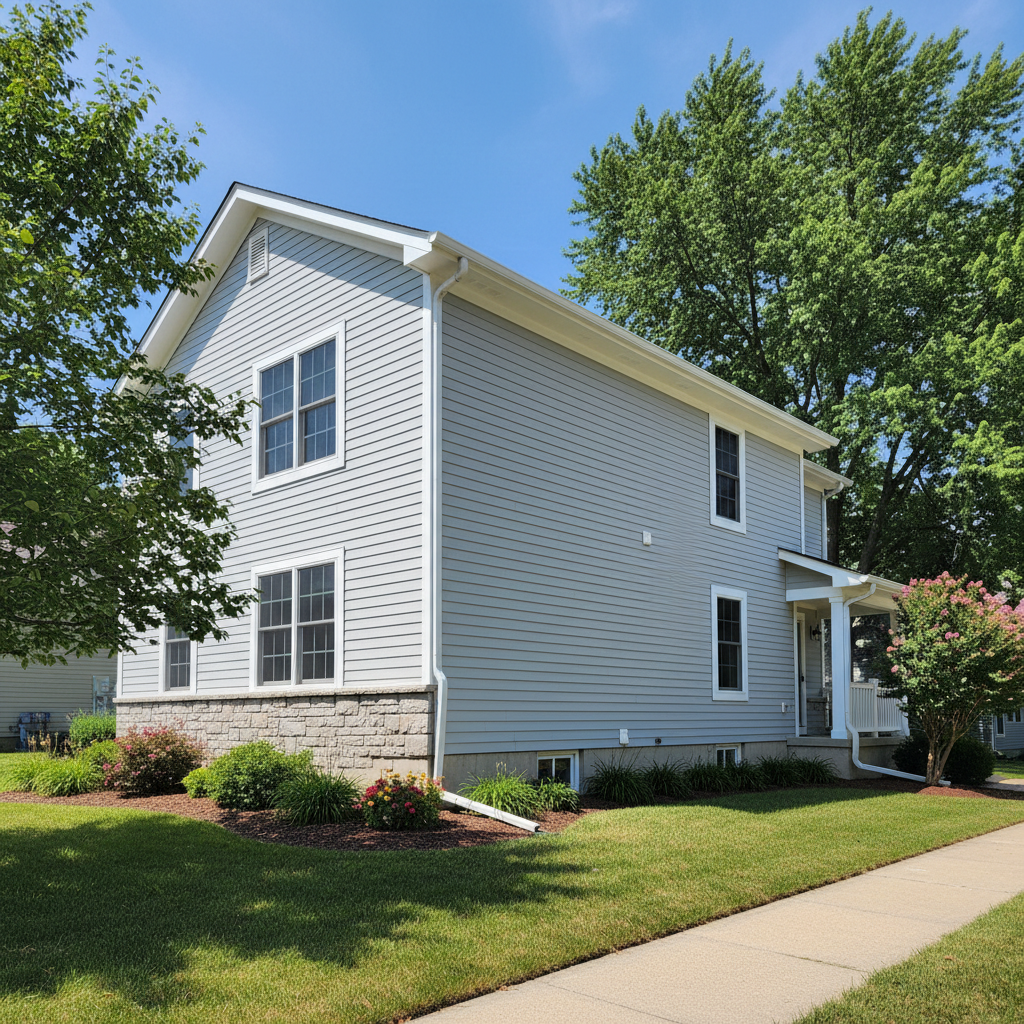
You'd be surprised how many folks in Pittsburg wait until their siding is literally falling off, or they've got major water damage, before they even think about replacing it. I get it; it's a big investment. But putting off siding replacement when it's clearly past its prime? That's one of the biggest mistakes I see. Those little cracks, the faded paint, the soft spots – they're not just cosmetic. They're open invitations for moisture, pests, and energy loss. We've seen homes over in the Lakeside neighborhood, for example, where old wood siding just rotted through because people thought a fresh coat of paint would fix everything. It rarely does, honestly. Ignoring the early signs just means a bigger, more expensive problem down the road, often involving structural repairs that could've been avoided.
Focusing Only on the Lowest Bid
Everyone wants a good deal, especially when you're talking about something as significant as new siding. But if you're just picking the cheapest quote you get, you're setting yourself up for disappointment. I've been doing this a long time with Top Notch Siding Inc, and I can tell you, there's usually a reason one bid is drastically lower than the others. Maybe they're cutting corners on materials, hiring inexperienced crews, or they're not fully insured. You might save a few bucks upfront, but you'll likely pay for it later in headaches, shoddy workmanship, or having to redo the job sooner than you should. Always get multiple quotes, sure, but compare apples to apples. Look at what materials they're using, their warranty, their reputation, and what's included in the price. A contractor who gives you a super low price without even looking at your home properly? That's a huge red flag.
Not Understanding the Scope of Work
This goes hand-in-hand with the lowest bid problem. Homeowners often don't fully understand what they're paying for, or what they *should* be paying for. Is the old siding removal included? What about disposal? Are they checking for underlying rot or damage before installing the new stuff? What kind of house wrap are they using? These details matter. If your contractor isn't clearly explaining every step, or if their bid is vague, ask questions. Don't assume. A good contractor will walk you through the process, explain the materials, and tell you exactly what to expect. You don't want surprises halfway through the job, like finding out they're charging extra for something you thought was included.
Ignoring Proper Installation Techniques
Even the best siding materials won't perform well if they're not installed correctly. This is where experience and training really count. I've seen jobs where siding wasn't properly nailed, flashing wasn't installed around windows and doors, or expansion gaps weren't left for certain materials. Here in Southeast Kansas, we get some pretty wild temperature swings, from freezing winters to scorching summers. Siding needs to be installed to accommodate that expansion and contraction. If it's not, you'll see buckling, cracking, and moisture problems down the line. Don't just trust that a contractor knows what they're doing; ask about their installation process, their crew's experience, and if they follow manufacturer guidelines. It's your home, so you have every right to be informed.
Forgetting About Maintenance (Even for 'Low-Maintenance' Siding)
A lot of modern siding materials are marketed as