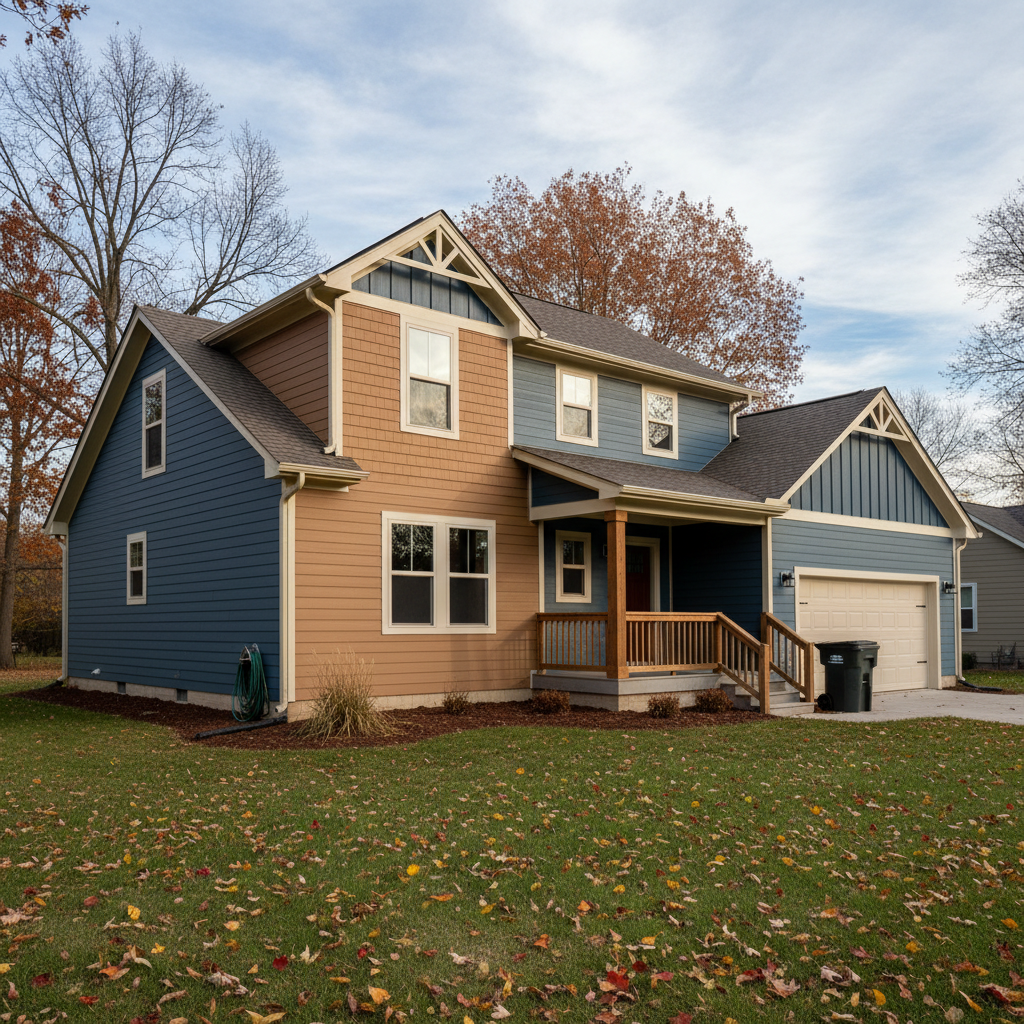
When's the best time to replace your home's siding here in Pittsburg? That's a question I get asked a lot. You might think it doesn't matter, but the weather and the season actually play a pretty big role in how smoothly your project goes and how well the new siding performs long-term, you know?
Why Timing Matters for Siding Installation
It's not just about getting the job done; it's about getting it done right. Siding materials, especially certain types like vinyl, expand and contract with temperature changes. Installing them in extreme cold or heat can lead to problems down the road. You want your siding to be able to settle properly, and that means working within a reasonable temperature range.
Here in Southeast Kansas, we see all four seasons, and sometimes all four in one week! That means we've got to be smart about scheduling. I've seen folks try to rush a job in the dead of winter or the peak of summer, and it often leads to headaches.
The Ideal Siding Seasons
Generally speaking, spring and fall are your best bets for siding replacement around here. Why?
Spring (March - May): Temperatures are usually mild, not too hot and not too cold. The ground isn't frozen solid, and we haven't hit the oppressive humidity of summer yet. You might get some rain, but we can work around that. It's a great window to get your home looking fresh before summer.
Fall (September - November): Similar to spring, fall offers those comfortable, moderate temperatures. The air is often drier than spring, which is good for certain materials. Plus, getting it done in the fall means your home is buttoned up and ready before winter sets in.
These seasons give the materials the best chance to acclimate to the local conditions, which helps prevent issues like buckling or cracking later on. Plus, it's just more comfortable for the crews doing the work, and a comfortable crew is an efficient crew.
What Weather Conditions Affect the Work?
You can't control the weather, but you can understand how it impacts your project. Here's what we watch out for:
Extreme Cold: Below freezing temperatures can make some siding materials brittle, especially vinyl. It's harder to cut cleanly, and it can crack or shatter. Plus, sealants don't cure properly, and our guys' fingers don't work as well. We generally avoid installing if it's consistently below 20-25 degrees Fahrenheit.
Extreme Heat: When it's scorching hot, like those 95+ degree days we get in July and August, materials expand. If we install siding when it's fully expanded, it might contract later and leave gaps or pull away. It's also just plain dangerous for the crew to be out in that kind of heat all day, especially on a south-facing wall. We're not going to risk heatstroke for a rushed job.
Heavy Rain or High Winds: We can't install siding in a downpour. It's a safety hazard, and water can get behind the house wrap, which defeats the purpose. High winds are also a no-go. Ladders become unsafe, and large panels of siding can act like sails, making them hard to control and potentially damaging them or worse, causing injury. We've got to be especially careful around places like the College Hill neighborhood where some of those older, taller homes really catch the wind.
Protecting Your Siding Investment Year-Round
Once your new siding is up, you want it to last. Here are a few quick tips:
Keep it Clean: A simple wash with a garden hose and a soft brush can do wonders. Get rid of dirt, mildew, and spiderwebs. Don't use a high-pressure washer too close; you can force water behind the siding or damage the finish.
Trim Shrubs and Trees: Keep vegetation away from your house. Branches rubbing against the siding can cause scratches, and dense bushes can trap moisture against the wall, leading to mold or mildew.
Check Gutters and Downspouts: Make sure they're clear and directing water away from your foundation and siding. Overflowing gutters can stain siding and cause water damage.
Inspect Annually: Just take a walk around your house once a year. Look for any loose panels, cracks, or signs of damage. Catching small issues early can prevent them from becoming big, expensive problems. If you see something, give us a call at Top Notch Siding Inc. We're happy to take a look.
Choosing the right time for your siding project can save you hassle and money in the long run. Plan ahead, consider the weather, and you'll get a beautiful, long-lasting exterior for your Pittsburg home.